文字サイズ

文字サイズ

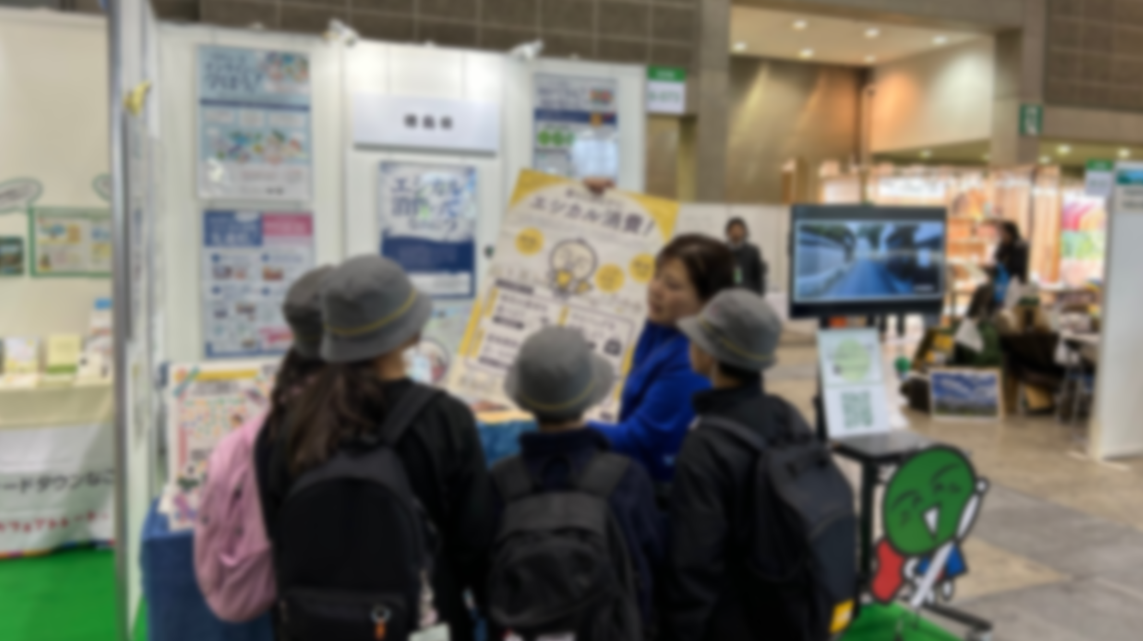
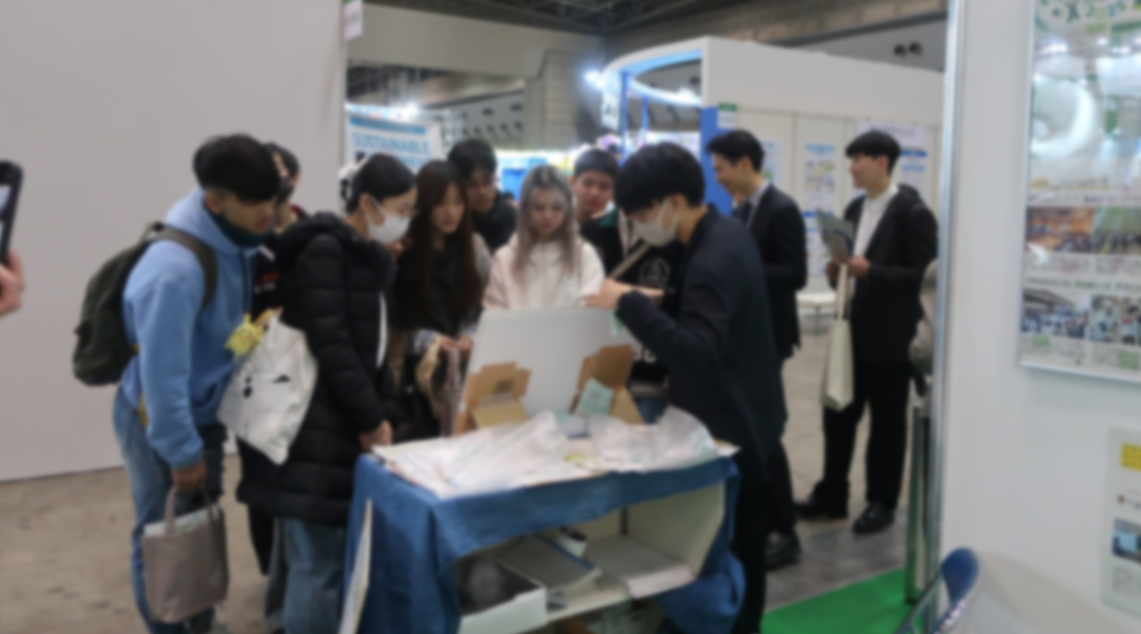
Tokushima Prefecture participated in “EcoPro 2025,” held at Tokyo Big Sight over 3 days from December 10 (Wednesday) to December 12, 2025 (Friday).
“EcoPro” is characterized by its goal of solving social issues through both business development and the fostering of the next generation. The event introduces various initiatives related to familiar themes such as global warming, environmental issues, food security, and regional revitalization. Its purpose is to pass down a healthy global environment and society to the next generation to achieve a sustainable society.
Solving social challenges requires not just specific industries or fields, but the collaborative efforts of industries, public institutions, educational institutions, and each and every one of us, from our own respective positions. Many companies, local governments, and national agencies sharing this vision gathered at the venue to engage in active information exchange and dialogue.
At the Tokushima Prefecture booth, we showcased ethical consumption activities led by high school students from local “Ethical Clubs” and products manufactured by local businesses with a strong commitment to ethical consumption. In particular, the “Tokushima High School Ethical Summit 2025,” held for the first time this fiscal year, attracted significant interest from visitors.
The venue saw visitors from the younger generation, including elementary and junior high school students, as well as observers from overseas. This provided an invaluable opportunity for people across a wide range of generations and regions to learn about Tokushima’s initiatives.
For more details on “EcoPro 2025,” please visit the official website below (information is updated periodically):
https://messe.nikkei.co.jp/en/ep/

Tokushima Prefecture conducted this program from December 15 to December 18 as part of its efforts to promote international exchange and awareness of ethical consumption.
A total of six student volunteers (two from each participating university in Tokushima) who took part in the “2025 Online Exchange Program with Overseas Universities” and the “International Consumer’s Symposium in Tokushima” participated in this study program in South Korea.
➢ December 15 (Mon)
On Day 1, the delegation visited the Japan Foundation Seoul Office, a hub for Japanese cultural promotion. The office operates a library featuring Japanese media, conduct Japanese language courses, hosts film and art exhibitions, and manages the Japanese Language Proficiency Test (JLPT) in South Korea.
During the orientation, a Tokushima Prefectural official stationed at the Council of Local Authorities for International Relations (CLAIR) Seoul Office gave a presentation on South Korea, providing interesting insights into the country’s waste management system:
➢ December 16 (Tues)
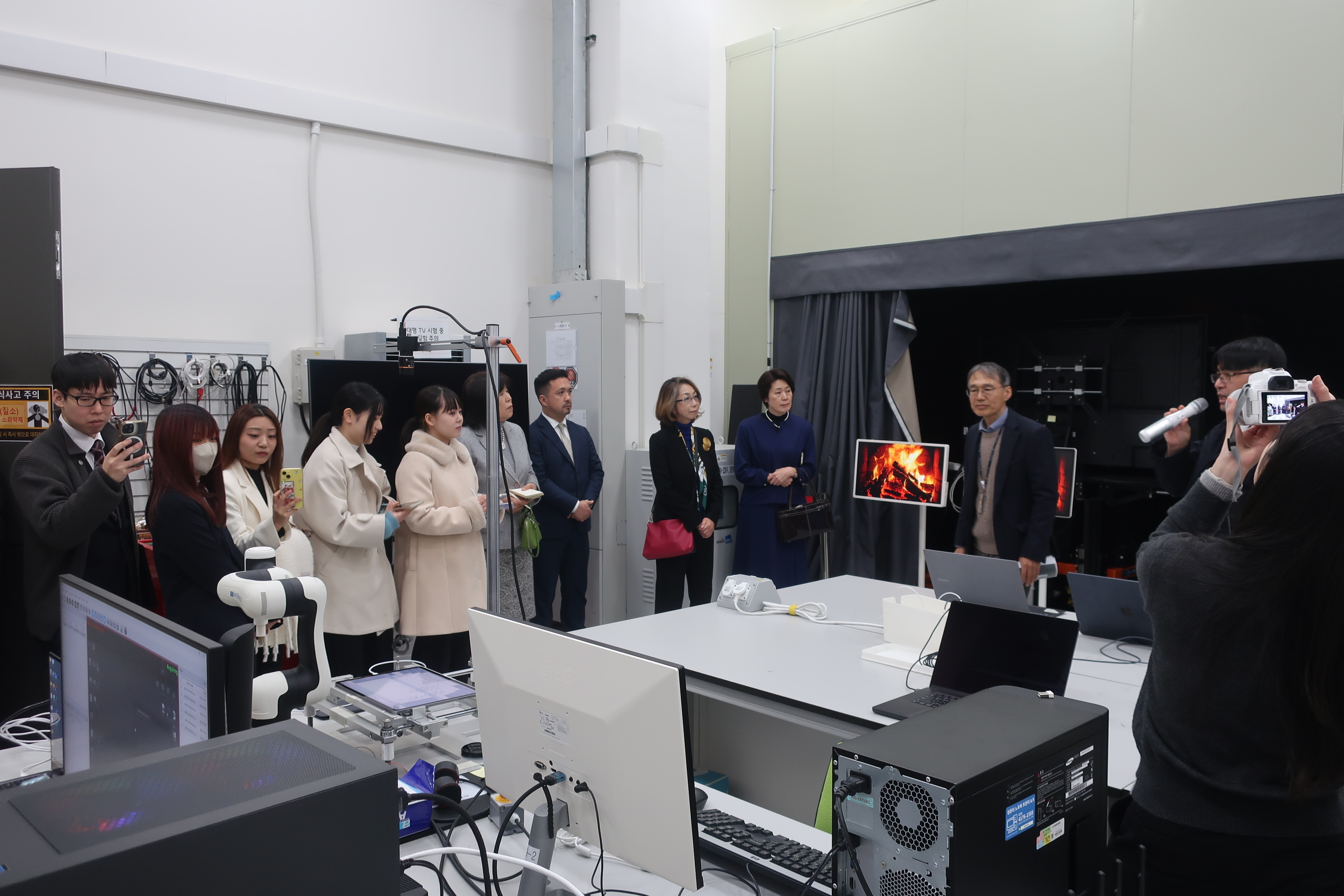
On Day 2, the group visited the Korea Consumer Agency (KCA). They met with agency officials, learned about the agency’s history and initiatives at the “KCA Promotion Hall,” and toured the “Consumer Safety Center Laboratories” where consumer products are tested and analyzed.
The KCA shares the same goal as Japan’s Consumer Affairs Agency (CAA): protecting consumer rights. Its primary functions include Alternative Dispute Resolution (ADR) between businesses and consumers, product safety testing, price and market monitoring, and policy research and recommendations for the national government.
A key difference is that the KCA is a “centralized” model that handles all consumer-related functions. In contrast, Japan splits these functions between the CAA (policy-focused), the National Consumer Affairs Center of Japan (NCAC) (practical operations), and Local Consumer Affairs Centers (LCAC) operated by local governments, which conduct local market research, consumer consultations, and ADR.
➢ December 17 (Wednesday)
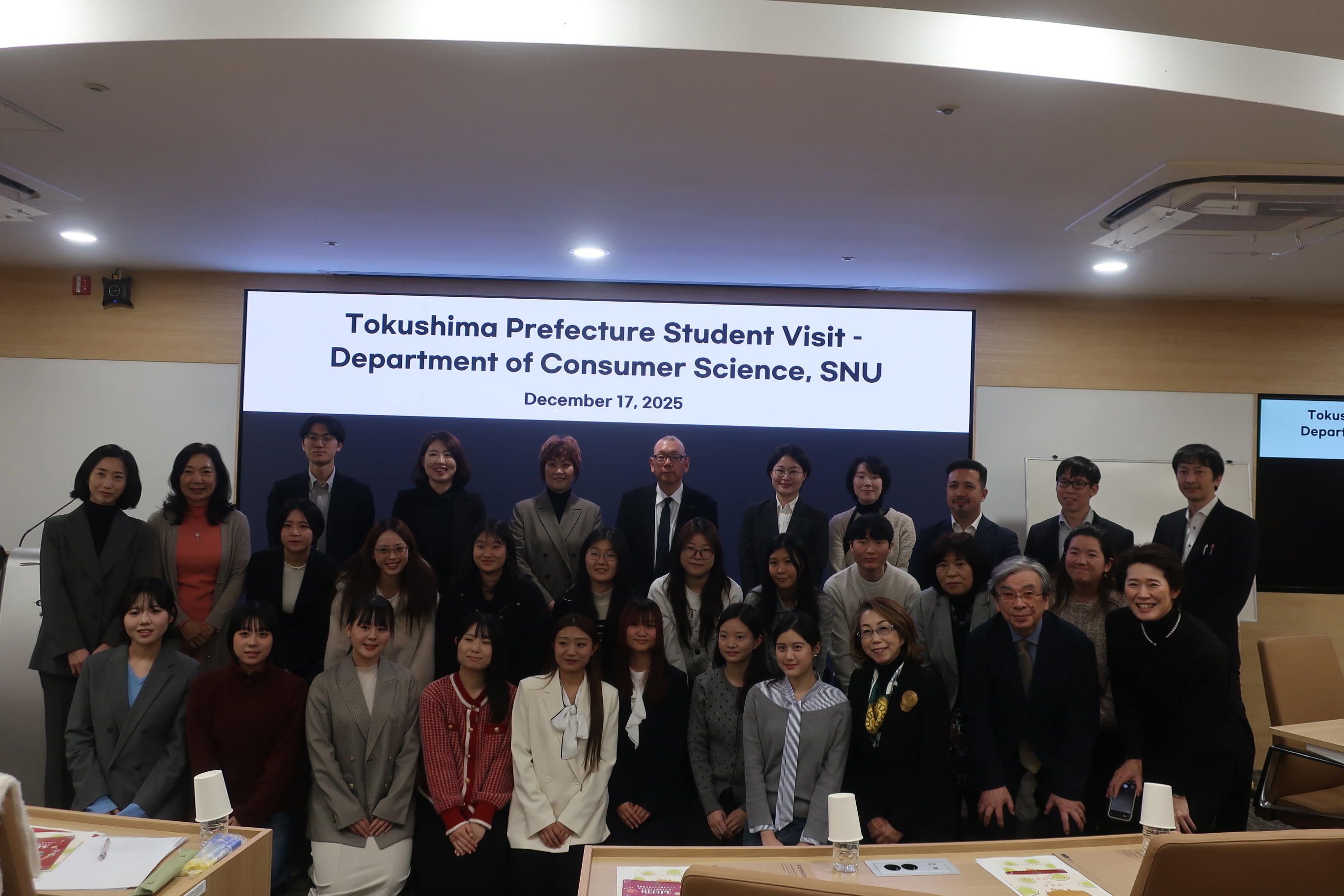
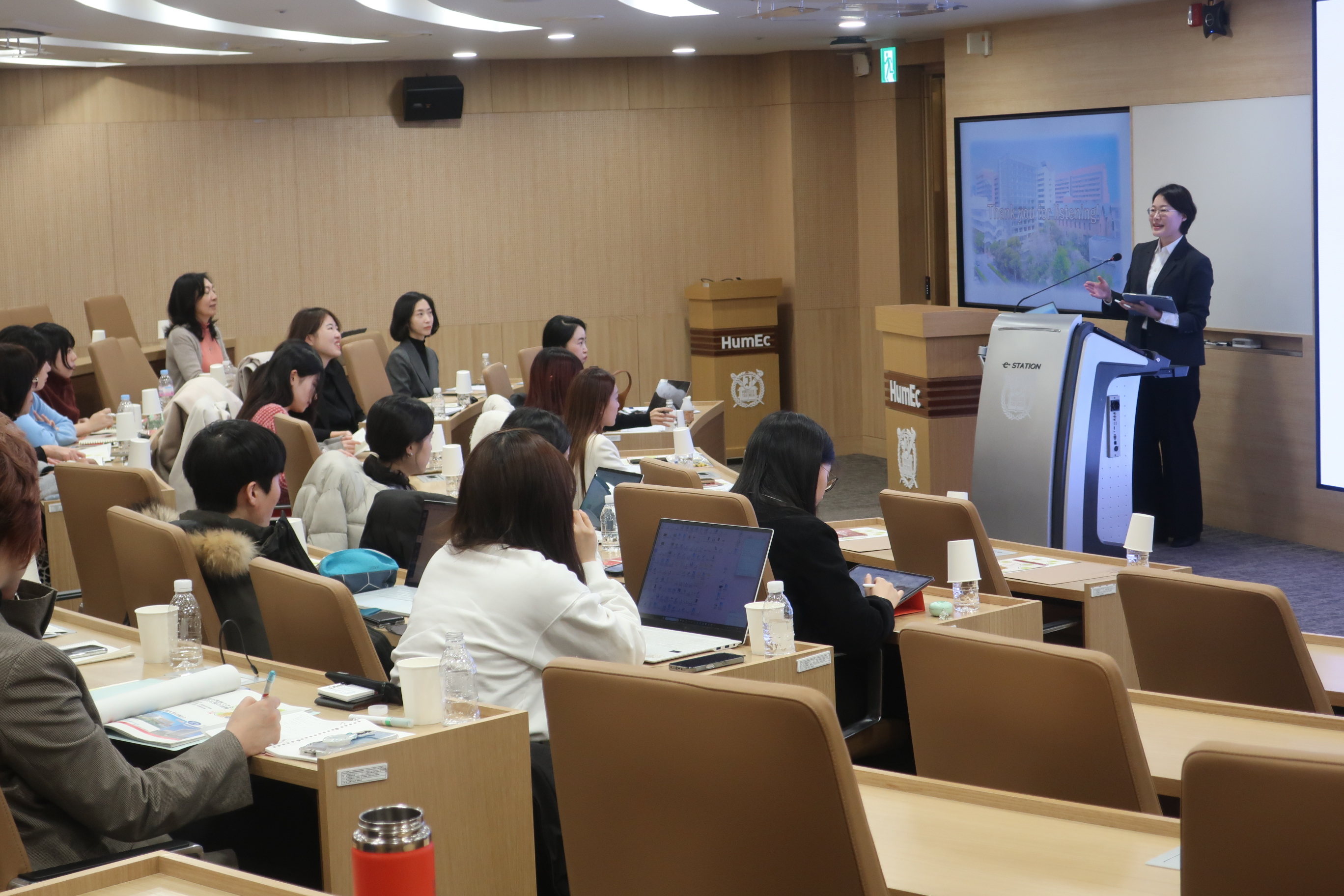
On the morning of Day 3, the delegation visited Seoul National University (SNU) for the program’s main event: initiative presentations and opinion exchange. Students from Tokushima presented policy recommendations on ethical consumption at the individual and community levels, such as the implementation of consumer education. Meanwhile, SNU students focused on macro perspectives, such as e-waste management (SK VS Germany) and fast fashion regulation (SK VS France).
In the afternoon, the students visited various facilities in Seoul related to ethical consumption and food loss reduction. For example, the Tokushima Bunri University group visited the Seoul Upcycling Plaza (SUP), one of the world’s largest upcycling complexes.
➢ December 18 (Thurs) – Return to Japan
Conclusion
There is much to learn from the best practices of other countries regarding sustainability. Just as European nations define corporate social responsibility through policy, both Japan and South Korea must strive to bridge the gap between individual actions and institutional policy regulations.
One issue that emerged as a future challenge was the “language barrier.” Significant time was required for interpretation during face-to-face discussions, and the barrier was also evident during independent exploration in Seoul, where most information was presented in Korean or English. Nevertheless, the value of in-person exchange is irreplaceable, and it is crucial to overcome these hurdles to develop a global perspective.
We look forward to seeing how the six students apply this valuable experience to promote ethical consumption and internationalization in Tokushima and across Japan.
Further details will be published on the Tokushima Prefecture website at a later date.